You can tell a lot about a house from its driveway. Cobbles suggest cartwheels and coaching inns; concrete block paving suggests a tidy modern estate where everything matches. Both can look excellent. Both can also fail within five years if they are laid on a sub-base that was never up to the job, and the difference between a surface that lasts thirty years and one that dips and ruts comes down to preparation rather than the stone on top.
Cobbles, Setts and Blocks: What You Are Actually Buying
Before comparing anything, it helps to separate three things that often get muddled together.
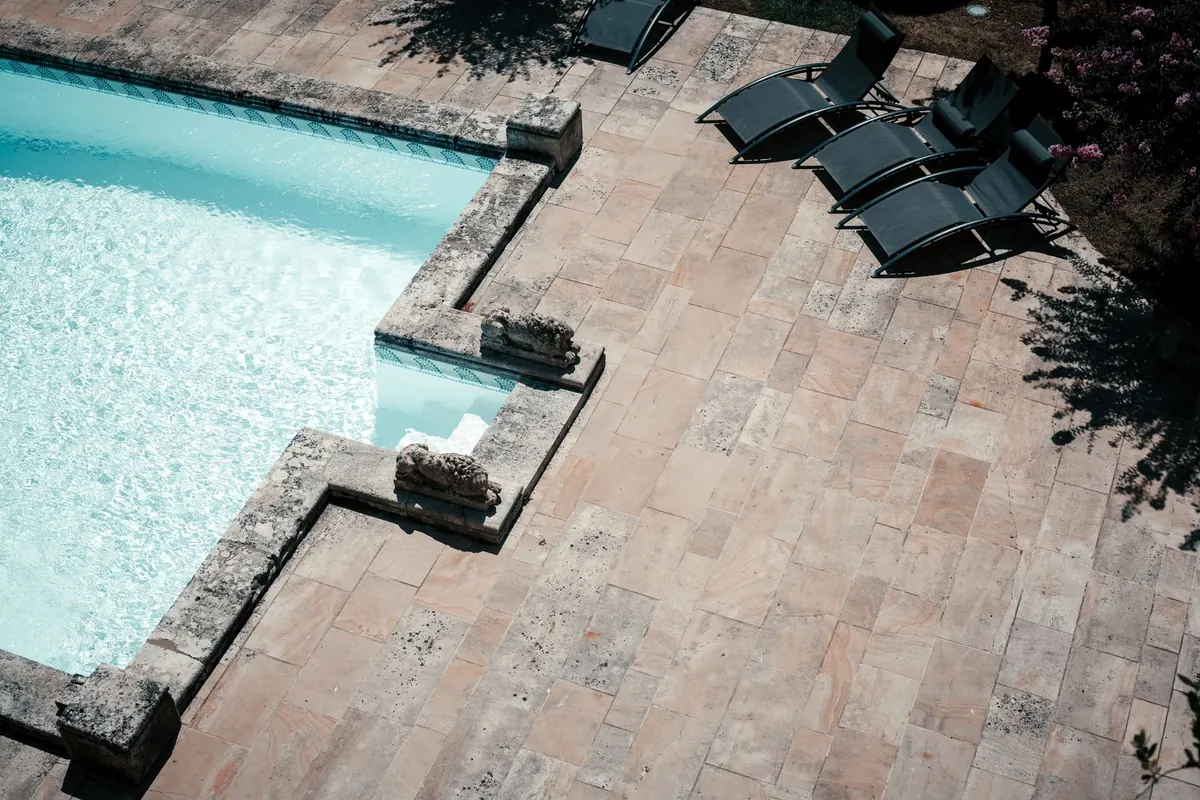
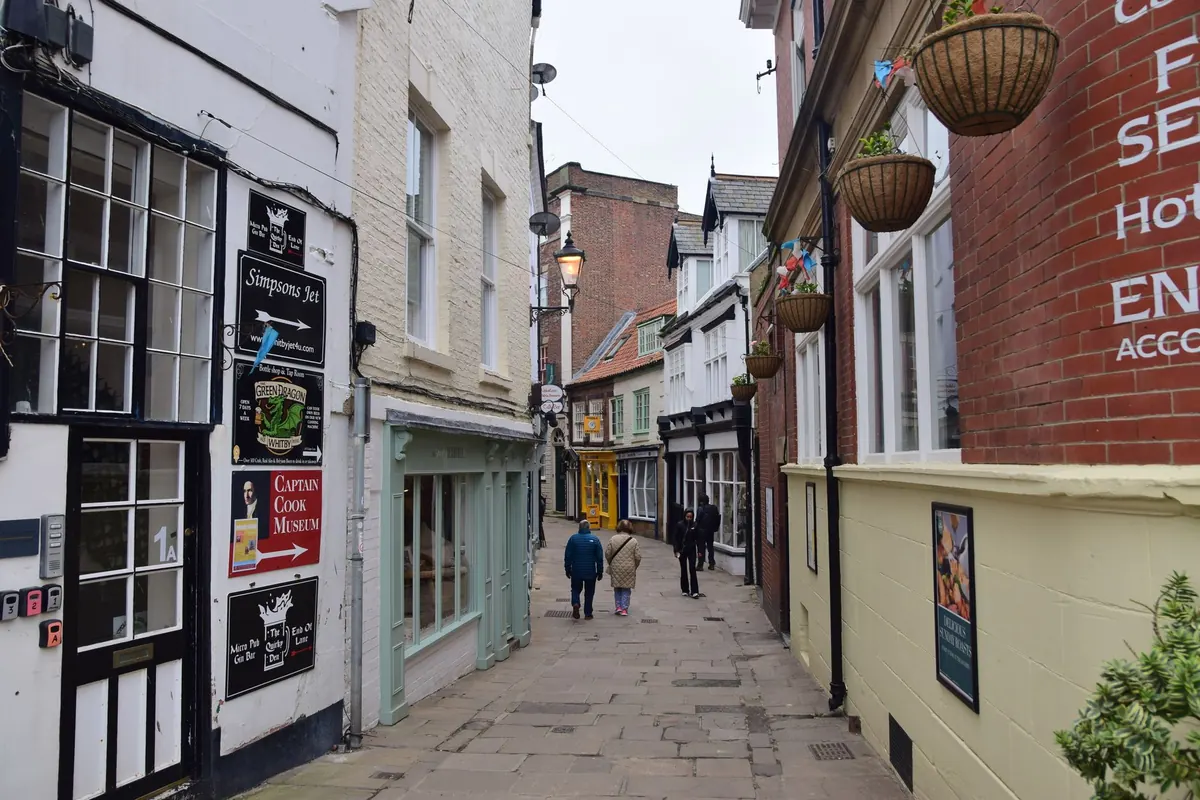
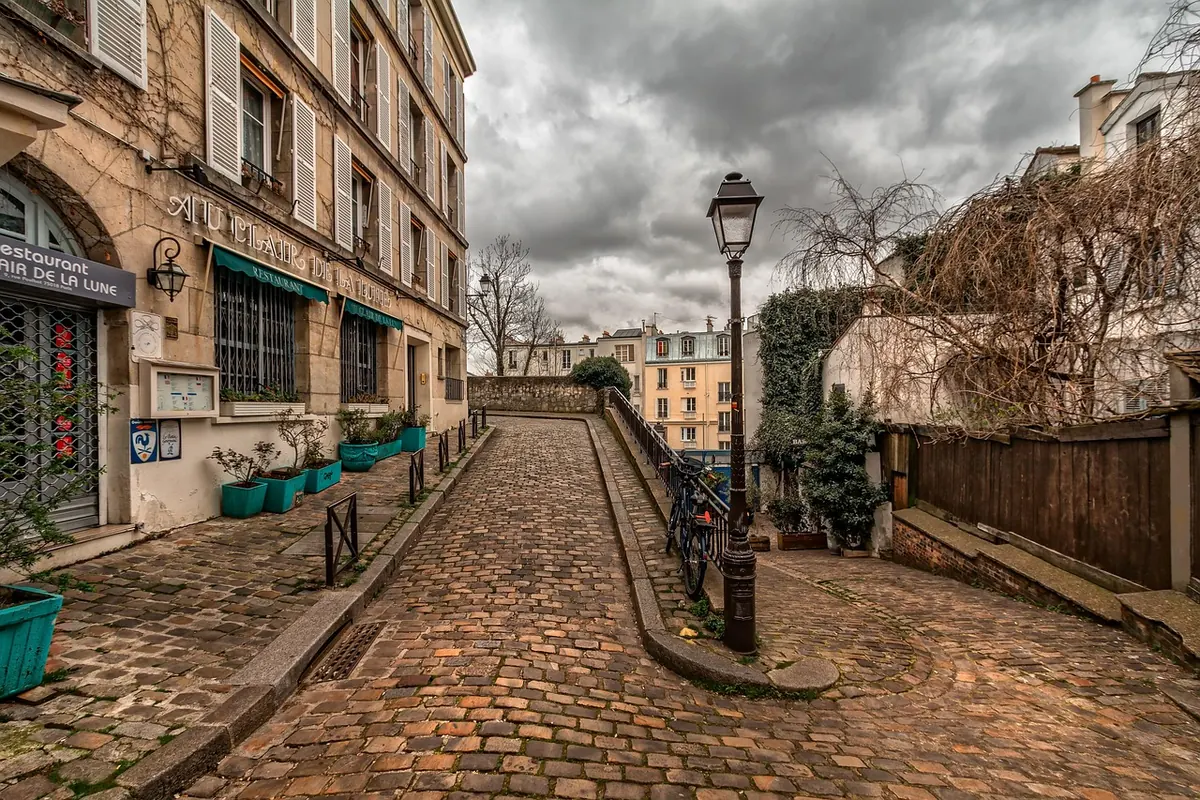
Cobbles in the strict sense are rounded, naturally weathered stones, usually granite or sandstone, worn smooth by water or time. They vary in size and shape, which is exactly why a cobbled surface undulates underfoot. Setts are the rectangular, more regular stones you see on many market squares and Victorian terraces — cropped to roughly consistent dimensions and laid in courses. When people say "cobblestone driveway" in the UK, they usually mean setts, or a modern reproduction of them.
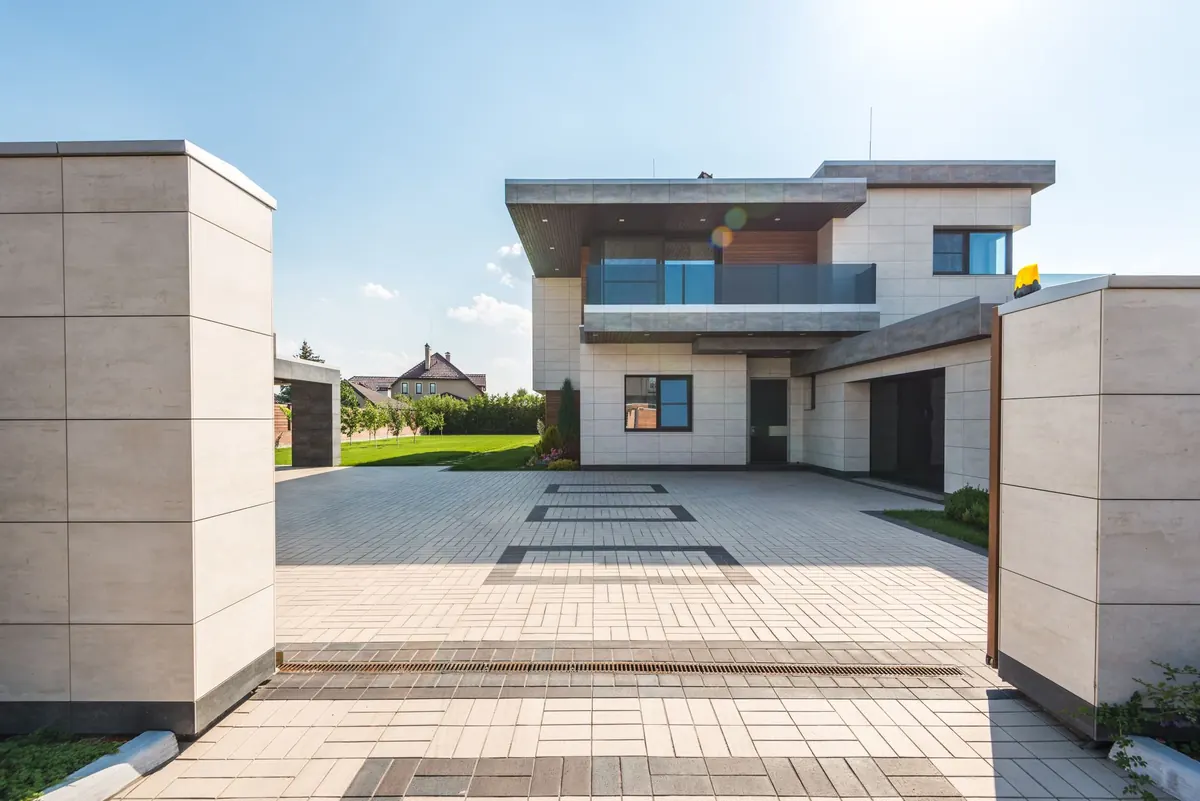
Concrete block paving is manufactured: clay or concrete blocks, typically 60mm to 80mm thick for domestic driveways, chamfered at the edges and laid in a pattern over a compacted sub-base and sand bedding. Below that sits the jointing sand, brushed into the gaps and vibrated down.
Cost: Where the Money Really Goes
Block paving is almost always the cheaper option, and not by a small margin. The blocks are mass-produced, they come in consistent sizes, and a two-person team can lay a large area quickly.
Natural stone costs more before anyone lifts a trowel, and the labour is slower because every stone is slightly different. Irregular shapes mean more cutting and more fiddling to keep the coursing straight. Expect to pay for the depth of sub-base too: a driveway that takes cars needs substantially more compacted hardcore than a footpath, and a stone surface on a weak base will move.
Whole-life cost narrows the gap a little. Stone generally outlasts concrete, and individual setts can be lifted and re-laid if a drain needs attention. Block paving can also be lifted and re-laid, but the jointing has to be redone afterwards.
When you get quotes, ask for an itemised breakdown covering:
- Excavation depth and disposal of spoil
- Geotextile membrane and sub-base thickness
- Bedding layer and jointing material
- Edge restraints — these hold everything together and are often skimped
- Cutting at boundaries, manholes and steps
- Drainage, including any channel drains
Appearance and Kerb Appeal
Stone wins on character. A granite sett driveway in front of a stone cottage or a Victorian villa looks as though it belongs there, particularly where the local stone matches the surrounding walls. It also ages gracefully, developing a patina rather than going grey and chalky.
Block paving gives you control. You can choose herringbone or stretcher bond, single colours or banded borders, and tumbled finishes that imitate an older surface convincingly. Buy all the blocks for a job in one batch where you can, because shade varies between production runs and a mismatched pallet is painfully obvious once it is laid. A cheap block driveway usually looks cheap for one of two reasons: a random mix of tones that reads as noise, or a pattern that changes direction halfway across for no reason.
In a conservation area, the local authority may have views on materials, and matching the existing street scene is usually the safest route.
Drainage: The Part Most People Get Wrong
Water has to go somewhere. A traditional block driveway laid on a solid sub-base with kiln-dried sand joints sheds most rainfall straight into the road, which is why front gardens paved over in the 1980s now contribute to localised flooding.
Permeable block paving works differently: wider joints, an open-graded sub-base and a stone reservoir underneath allow water to soak away slowly into the ground. On heavy clay this is far less effective, and you may need an alternative outlet such as a channel drain to a soakaway or the surface water system.
Setts and cobbles can be permeable too, but only if they are laid on a permeable bedding and sub-base rather than a concrete slab. Many are not. Either way, make sure the surface falls gently away from the house, and never let water pool against the wall.
Maintenance Through the Year
Neither surface is maintenance-free. The difference is in what the work looks like.
- Weeds: both collect them in the joints, more so on wider-jointed stone. A stiff brush in spring and autumn keeps on top of it.
- Jointing: block paving needs kiln-dried sand topped up every year or two, especially after jet washing.
- Moss and algae: shaded areas go green. A suitable cleaner followed by a rinse, then re-sanding if needed.
- Sealing: optional but helpful on both, typically every three to five years. Avoid high-gloss sealers unless you want a permanently wet look.
- Movement: if a section sinks, the sub-base is the problem, not the surface. Lifting and re-laying the affected area is the only real fix.
- Winter: rock salt can damage concrete surfaces over time. Clean it off once the risk of frost has passed.
In daily use, block paving is easier to walk on and noticeably kinder to wheelie bins, prams and suitcases. Cobbles and setts are uneven, noisier underfoot and can be slippery when wet and mossy, which matters if anyone in the household uses a wheelchair or a walking frame.
Planning Permission and the Five Square Metre Rule
In England, hard surfaces in front of a house are usually permitted development provided the material is permeable, or water drains to a permeable area within your own boundary. If you use an impermeable surface over more than five square metres, planning permission is normally required. Rules differ across the UK, and conservation areas, listed buildings and Article 4 directions bring their own restrictions, so check with your local planning authority before ordering anything.
Making the Choice
Choose natural stone setts or cobbles if the property is period, the budget has room for proper groundwork, and appearance matters more than a level surface. Choose concrete block paving if you want a hard-wearing driveway at a sensible price, an even surface for everyday use, and a wide choice of colours and patterns.
Whichever you pick, spend the money on what nobody sees. A generous, well-compacted sub-base, proper edge restraints and a fall that takes water away from the house will do more for the lifespan of your driveway than any decision about the top layer. Get at least three quotes, ask to see recent local work, and check whether the installer offers a guarantee on the groundwork as well as the surface.
Photo: Max Vakhtbovych / Pexels