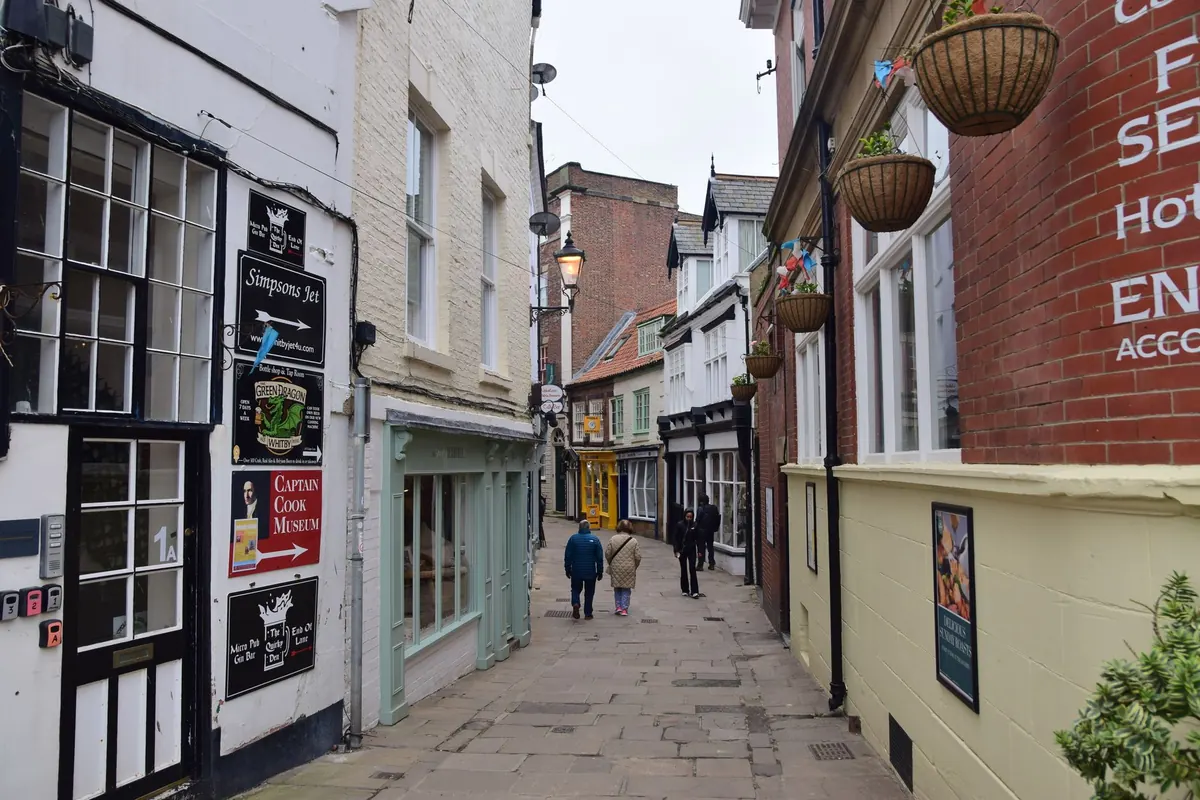
A repaved frontage in a conservation area stands out, and not in the way the owner intended. The setts are the wrong size. The joints are flat, grey and too wide. The new surface sits a few centimetres proud of the neighbouring footway, and by the following spring weeds are threading through it and a letter has arrived from the council.
Cobbled and setted surfaces do quiet work in a street: they slow traffic, hold colour, and age in a way that poured concrete never will. They also sit under a layer of rules that surprises people, because those rules depend on three things that are easy to muddle — whether the ground is public or private, whether the building is listed, and what the local planning authority has decided about its conservation area.
What follows is the order of work worth following before you order a single stone.
Start With the Designation, Not the Driveway
Conservation area status is not a blanket ban on change. It is a requirement that change is managed. Two points matter most for a cobbled or setted surface.
First, permitted development rights may have been withdrawn by an Article 4 Direction. Normally, some minor works to a house and its curtilage can be done without planning permission. An Article 4 Direction removes that freedom for specified works, and resurfacing a front garden can fall within it.
Second, if the property is listed, the ground surface can form part of its setting, and works affecting that setting may need listed building consent. Replacing a historic surface within the curtilage can count.
Your council's conservation officer can tell you what applies to your specific address, and most authorities offer pre-application advice for a fee. Ask early. The answer shapes the whole budget, and it is far cheaper to ask than to undo.
Cobbles or Setts? The Difference Matters
People say cobbles; the trade usually means setts. Cobbles are rounded, water-worn stones, the sort found in old riverbeds and very old yards. Setts are squared off and often dressed, which is why they lock together and stay put under traffic. Most of the "cobbled" mews and lanes in the UK are actually setted, in granite, whinstone, limestone or York stone.
Conservation officers read a surface by its details. Expect questions about:
- Stone type and source — new granite from a quarry rarely matches old granite from a street two miles away.
- Size and coursing — how the rows run, and whether they follow the fall of the ground.
- Finish — sawn, picked, riven or tumbled edges all read differently in daylight.
- Colour and weathering — reclaimed setts are often specified for exactly this reason.
- Joints — wide sand joints and narrow grouted joints look like different centuries.
Photographs of the existing surface, plus a small sample area laid dry on site, prevent an enormous amount of argument later.
The Consents You May Actually Need
Private ground
If the surface is inside your boundary, planning permission may still be needed — through an Article 4 Direction, or because of the front garden hard surfacing rule. In England, hard surfaces of more than five square metres in a front garden require planning permission unless they are permeable or drain to a permeable area. The position in Wales, Scotland and Northern Ireland differs, so check locally.
Public highway
If the setts form part of the adopted highway or footway, they belong to the highway authority, not to you. Digging into them without a licence or permit is not a shortcut. A dropped kerb for a vehicle crossing usually needs separate approval, and any change to levels or drainage may need a formal agreement with the council. If in doubt, stop and ask the highways team before anyone lifts a stone.
Trees and services
Trees covered by a Tree Preservation Order, and trees in a conservation area, are protected. In England and Wales you must give the local authority notice before felling or pruning. Roots sit under paving, and cutting them can kill a mature tree. Check for buried services too — water, gas, power and drainage all have a habit of running exactly where you want to dig.
Rules around listed buildings and highway works carry real consequences if ignored. If any of this applies to your property, take advice from a planning consultant or a conservation-accredited professional before you commit money.
Build-Up, Levels and Joints
Most failed cobbled frontages fail below the surface, not on it. The visible stone is only the top layer of a system: sub-base, bedding course, setts, jointing.
Lay setts on a properly compacted sub-base with a bedding course that allows each stone to sit without rocking. Keep the finished level below the damp proof course, and fall the surface gently away from the building — a fall of roughly 1 in 60 to 1 in 80 is a common working range for a forecourt. Never raise the surface above the adjoining footway or road, or you will push water onto the highway and your neighbour's doorstep.
Jointing is where opinions divide. A fine sand or grit joint looks traditional, drains well and is straightforward to top up. Cement mortar or resin joints look tidier and hold weeds back, but they crack, they are hard to repair, and they can trap moisture against the stone. On a permeable build-up, a sand joint usually keeps both the conservation officer and the drainage engineer happy. Keep a spare heap of the jointing material covered at the back of the garden.
Maintenance: Who Does What
For a private forecourt, maintenance sits with you. Brush sand into the joints every few years, hand-weed rather than reach for a pressure washer, and avoid blasting the joint fill out at high pressure. In winter, use grit sparingly and prefer a shovel to a steel-edged scraper.
For an adopted highway, report defects to the council and leave the repairs to them. Patch repairs done privately on a public street can create a liability and rarely match. If a council scheme is coming through your street, ask to see the specification and, where original setts are being lifted, ask whether they can be salvaged and reused.
Before You Lift a Single Sett: A Short Checklist
- Find out whether the surface is private ground or adopted highway. Ring the highways team — do not guess.
- Check the conservation area designation and whether an Article 4 Direction applies to your property.
- Confirm listed status for the building and any structures nearby.
- Record what is there now: stone type, sizes, coursing, joint width, levels and falls. Photograph it, and keep two or three loose setts as a reference.
- Check for protected trees and buried services before anything is dug.
- Write the specification into the contract — stone, bedding depth, joint fill, falls, drainage and making good.
- Agree a sample panel on site and have it signed off before the full area is laid.
- Keep the consents, the photographs and the receipts. If you ever sell, they answer the first three questions a buyer's solicitor asks.
Get those steps in the right order and the paving itself becomes the easy part. A surface that matches its neighbours, drains properly and can be repaired stone by stone will still look right in thirty years — which is, after all, the point of a conservation area.
Photo: 2857440 / Pixabay