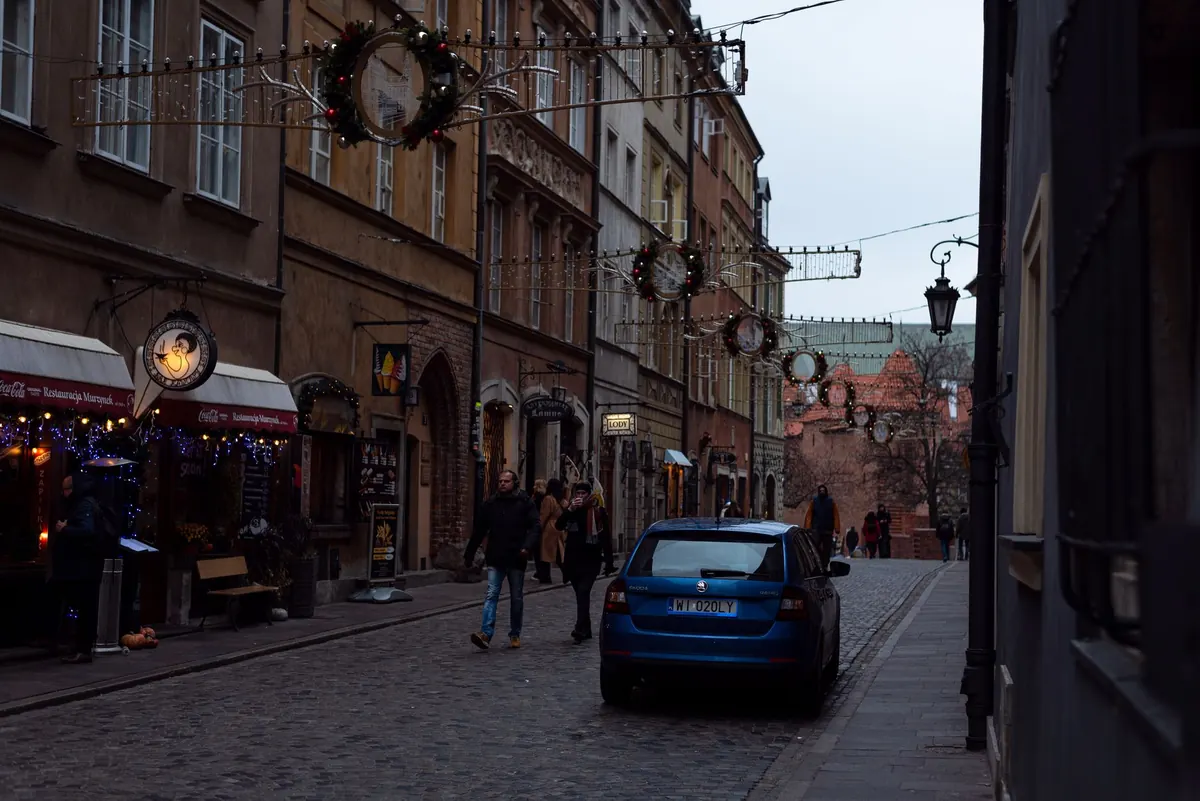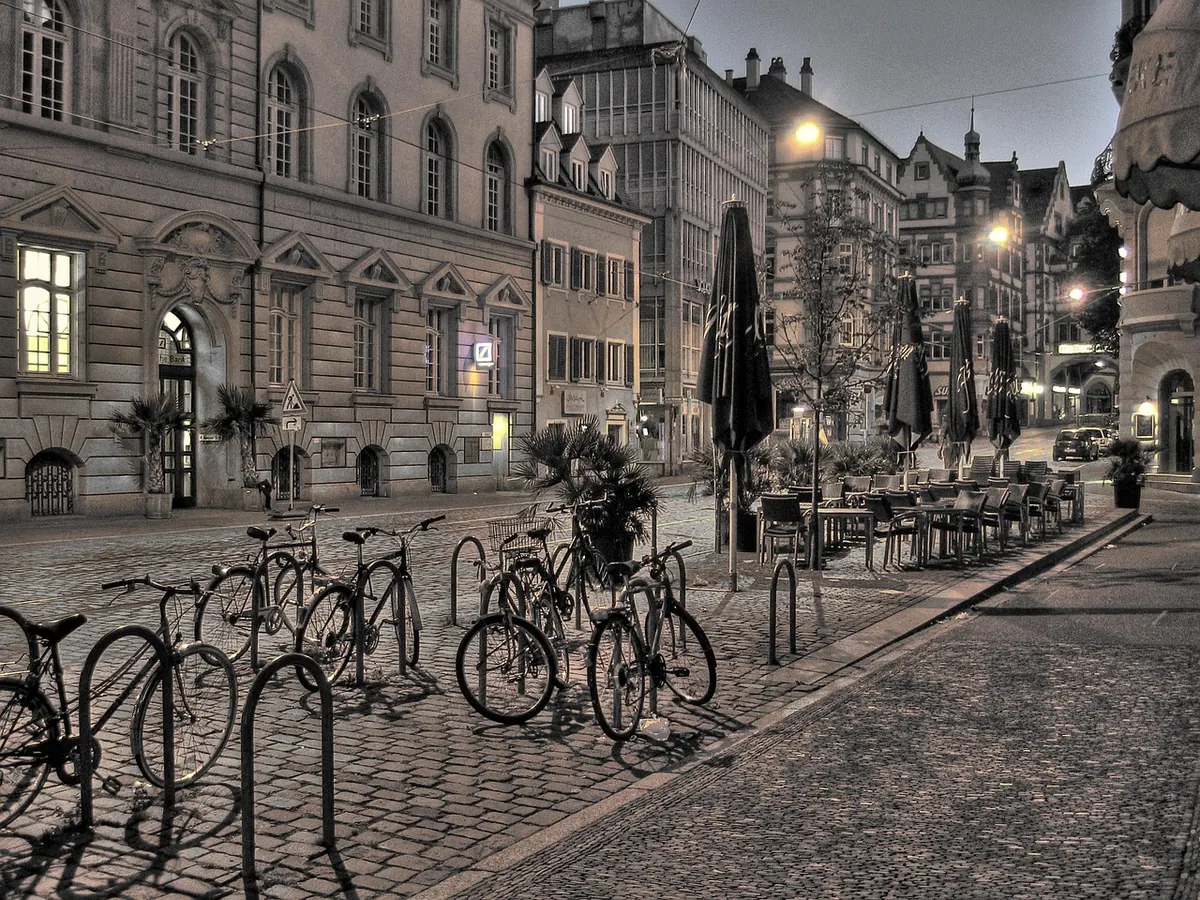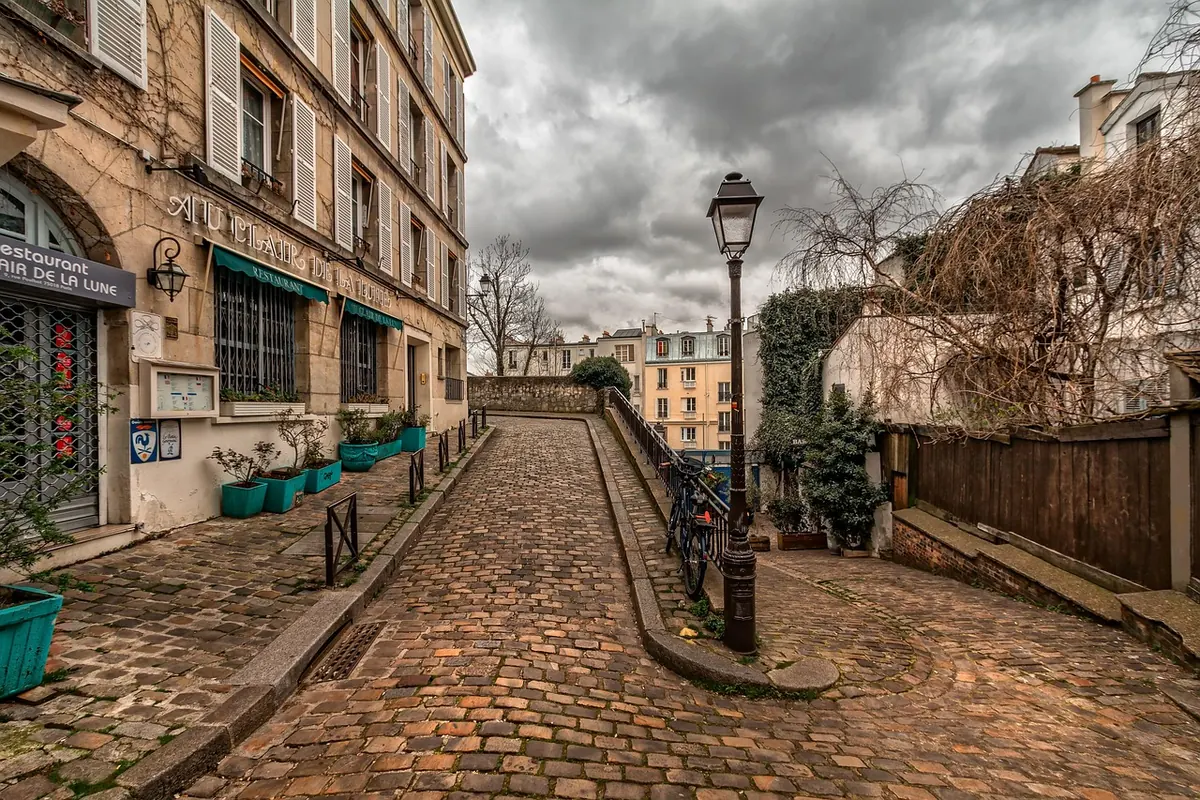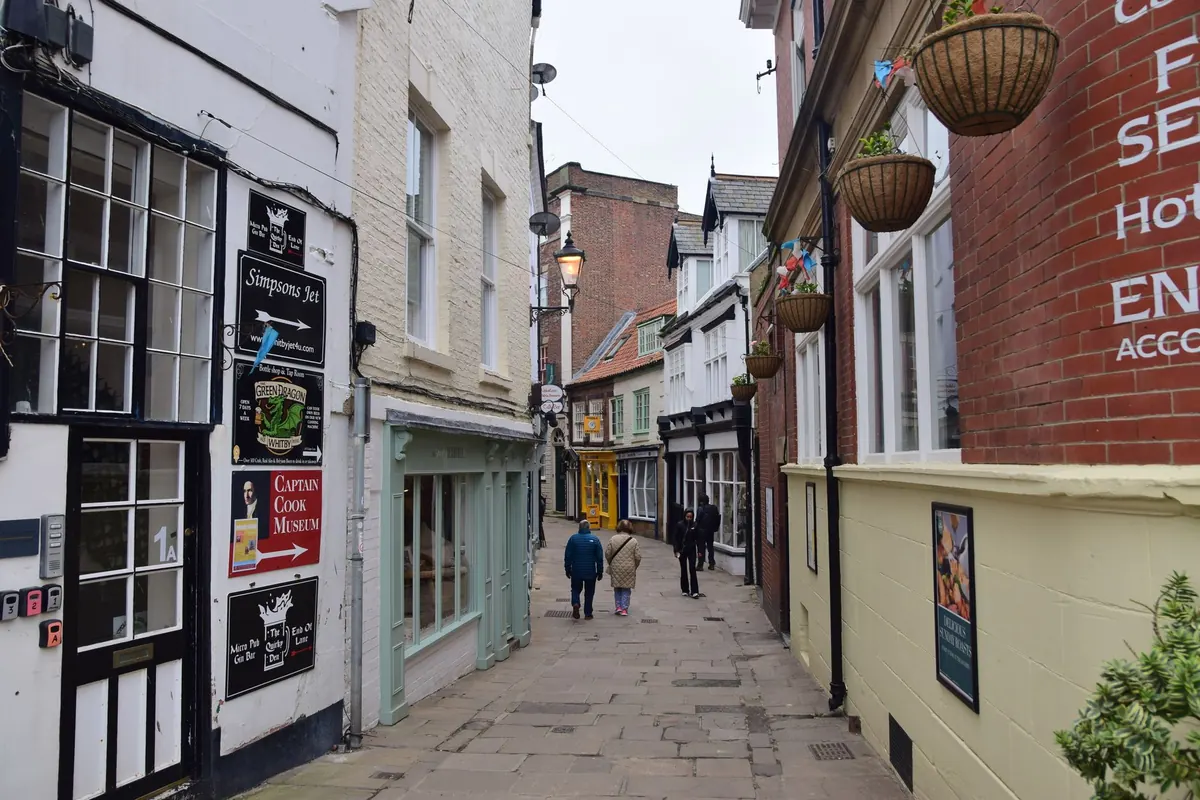
York is a city you read with your feet. Roman legionaries, Viking traders, medieval butchers and Georgian printers have all left their mark on the same few hundred metres of stone, and a good deal of it is still underfoot. This walk links two of Britain's best-known lanes — Stonegate and the Shambles — with the smaller passages between them, and takes most people two to three unhurried hours.
No ticket, no guide and no map app required. Do bring shoes with a bit of grip, though. Centuries of footfall have polished the setts smooth, and after rain they shine like a wet slate roof.
The Route at a Glance
Walk it in this order and the crowds will mostly be flowing against you rather than with you.
- Bootham Bar — start beneath the gatehouse. If you have time, climb the steps to the city walls for a look at the rooflines.
- High Petergate to Stonegate — the medieval spine of the city, downhill and gently curving.
- St Helen's Square — pause here. Coffee, a bench, and the best view back up Stonegate.
- Pavement and King's Square — the old market ground, wide and open after the narrow lanes.
- The Shambles — barely 200 metres long, and the busiest stretch of the whole walk.
- Shambles Market and Whip-ma-whop-ma-gate — the lane with the longest name and the shortest walk.
- Fossgate and the River Foss — end with a bridge view and a drink, or loop back via Goodramgate to the Minster.
Stonegate: A Street Paved Before the Rest
Start beneath Bootham Bar, where the road north once left the city. The gatehouse above you is medieval; the foundations beneath it are Roman. That layering sets the tone for everything that follows.
Stonegate takes its name from its surface. When most of York was content with mud and timber, this lane was laid with stone, a practical luxury that told you who lived here. For several centuries those residents were, very often, the book trade: printers, stationers, bookbinders and publishers, clustered within a few steps of one another. The street was also home to coffee houses and inns where news, gossip and manuscripts changed hands.
Look up rather than down. The shopfronts are mostly 18th and 19th century, but plenty of the buildings behind them are timber-framed medieval houses wearing a later face. Ye Olde Starre Inne, just off the street, has a licence stretching back to the 17th century, and Barley Hall, hidden in a courtyard, is a restored medieval townhouse you can visit. Halfway down, St Helen's Church sits almost on the pavement, its bells once marking the working day for the printers.
Bootham Bar and the Walls
Bootham Bar is one of York's four great medieval gatehouses, and it still carries traffic through its arch. The name comes from the old Norse for "the bar where booths stood," a reminder that markets and tolls once clustered outside the walls. If you have half an hour to spare, climb the steps beside the gate and walk a short stretch of the city wall towards Monk Bar. From up there, the Minster's towers rise behind a jumble of chimneys and pantiles, and you can see how Stonegate cuts a straight, deliberate line through the medieval tangle.
The Shambles: Flesh Shelves and Jettying
From St Helen's Square, follow Davygate and Parliament Street to Pavement, then turn into the Shambles. The name comes from the Old English for "flesh shelves" — this was the butchers' street, and the shops were built to suit the trade. Notice the wide sills where meat was displayed, and the brackets and hooks above them. Some of the timber-framed buildings date to the 14th century, and the upper storeys lean out over the lane, a technique called jettying that gains floor space and shelters the shop below.
Partway along, a shrine marks St Margaret Clitherow, executed in 1586 and canonised in 1970. The street is short — a couple of minutes at walking pace — which is worth remembering when you find yourself in a slow-moving queue of visitors. Come before ten in the morning or after five in the evening and you may have it almost to yourself.
The Butchers' Trade and the Buildings It Shaped
In the Middle Ages, York's butchers were clustered here for a practical reason: water, drainage and a ready market. The Shambles had a channel running down the middle to carry away blood and waste, and the shopfronts were designed as open counters with shutters that folded down to become display shelves. By the 19th century, the trade had thinned, but the buildings kept its shape. That is why the lane feels almost like a stage set: the architecture is not decorative, it is a surviving piece of working medieval retail.
It is also why the street is so dark at ground level and so bright above. The jettied upper floors nearly touch, leaving a slice of sky no wider than a ribbon. On a sunny day, light falls in stripes across the cobbles; on a wet one, the whole lane turns to pewter.
Whip-ma-whop-ma-gate and the Snickelways
At the far end, the Shambles opens into the market, and just beyond it runs the lane with the finest name in England. Nobody quite agrees on the origin of Whip-ma-whop-ma-gate. The usual local explanation is that it referred to a place of correction, and that the name was onomatopoeic gallows humour — the crack of the whip and the thwack of the lash. Others suggest it is a corruption of an older Norse or Old English phrase, or simply a Victorian nickname that stuck. Either way, the lane is barely thirty paces long, so you can walk its entire length while deciding.
From here, resist the urge to head straight for the Minster. York's real texture is in its snickelways — the narrow alleys, yards and passages that thread between the main streets. The word was coined by local writer Mark W. Jones in the 1980s, combining snicket, ginnel and alleyway, and once you know it you start seeing them everywhere. Nearby, Coffee Yard, Lady Peckett's Yard and the passage beside the market will lead you through hidden courtyards, old warehouses and sudden glimpses of church towers. They are free, almost always quieter than the Shambles, and they reward a slower pace.
Practicalities: When to Walk, What to Wear
The walk is short in distance but slow in pace, largely because the surfaces are uneven and the streets are narrow. A few practical notes will make it better.
- Best times: Early morning before 10am, or late afternoon after 5
Photo: Chris Brown / Pexels